How Much Does It Cost to Rent Goats to Clear Land on Long Island?
Edible Landscaping Ideas for Long Island Yards
By Eat Your Yard Life · Manorville, NY · Updated October 2026 · 9 min read
By Eat Your Yard Life · Manorville, NY · Updated October 2026 · 9 min read
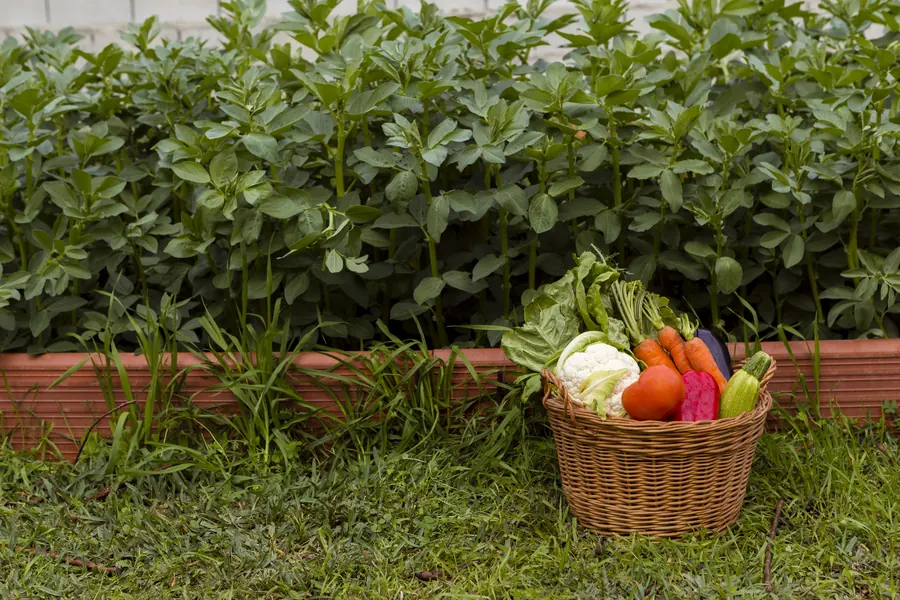
The best edible landscaping ideas don’t look like a farm field. They look like a well-kept yard that happens to feed you: blueberry bushes where the foundation shrubs used to be, an apple tree as the centerpiece of the front lawn, herbs spilling over the edge of the front walk.
Below are 15 ideas that work on Long Island, for front yards, backyards and small spaces, plus the plants that handle our sandy soil and zone 7 winters. Pick one or two to start. Plenty of yards begin with a single raised bed and a couple of fruit trees and grow from there.
What is edible landscaping?
Edible landscaping means using food plants as part of your landscape design instead of keeping them in a separate vegetable patch. Fruit trees, berry bushes, herbs and good-looking vegetables take the place of purely ornamental plants, laid out so the yard still looks neat from the street. Some people call it foodscaping.
In this guide
The front yard is where most people hesitate, because it’s what the neighbors see. The trick is structure: clean edges, repeated plants and a clear focal point. Get those right and front yard edible landscaping looks planned, not messy.
Blueberry bushes might be the best-looking edible shrub there is: white flowers in spring, fruit in summer and deep red leaves in fall. They also like acidic soil, which much of Long Island has naturally. Plant at least two varieties so they cross-pollinate and you get a bigger crop.
Put a dwarf or semi-dwarf apple or pear where you’d normally plant an ornamental cherry. You get spring blossoms and a fall harvest from the same spot. A native serviceberry is another good pick, with white flowers in spring and sweet berries in June.
Low herbs like thyme, chives, oregano and sage make a tidy, fragrant edge along a path. They handle sandy soil and full sun, and you brush past them every time you walk to the door. Where the walk meets the sidewalk, keep the edibles a few feet back from passing dogs.
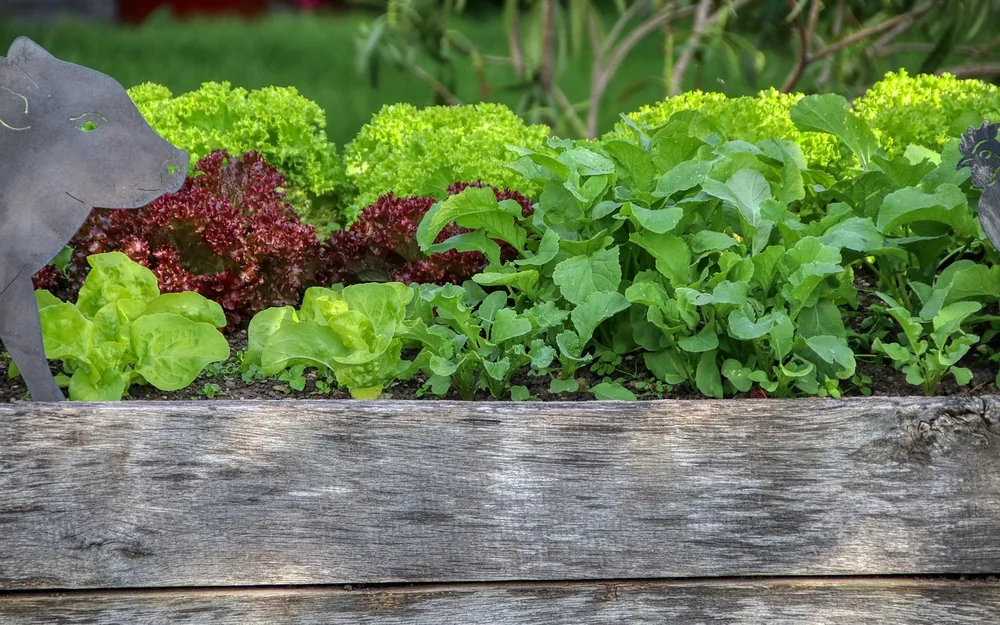
Rainbow Swiss chard, red lettuce, purple kale and rhubarb have leaves good enough for any flower bed. Tuck them between perennials and replant the gaps as you harvest.
A raised bed in cedar or stone, lined up with the walk or the front windows, reads as part of the design. Raised beds also warm up faster in spring and let you fill them with better soil than the sand underneath.
Strawberries spread into a low, green groundcover with white flowers. A sunny strip along the driveway or a fence is plenty, and kids love checking it every day in June.
Grapes, pole beans and cucumbers turn a plain fence, arbor or trellis into a green wall. Long Island’s North Fork is wine country, so grapes are right at home here.
The backyard is where you can go bigger, and where most of the harvest usually happens.
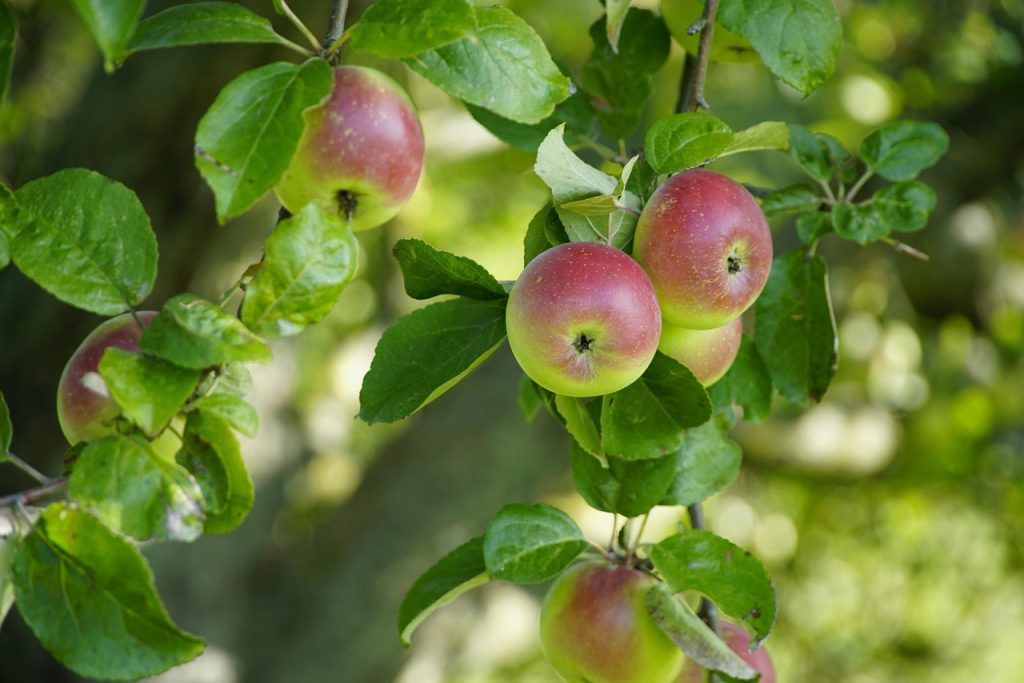
Three or four fruit trees give you a lot of fruit from a small footprint. Apples and pears are the easiest on Long Island, and peaches do well in a sunny, sheltered corner. Plant herbs and flowers underneath to bring in pollinators.
Raspberries, blackberries or native elderberry along a back fence make a screen that feeds you. Near the water, native beach plum handles wind and salt spray and makes a classic Long Island jam.
You don’t have to tear it all out. A lot of families keep a patch of lawn for the kids and the dog and turn the edges and sunny corners into beds and fruit trees.
Flowers like bee balm, purple coneflower, salvia and lavender bring in the bees that pollinate your squash, cucumbers and fruit trees. A border of them around the vegetable beds also makes the whole area look finished.
A rain barrel at the downspout and drip lines in the beds keep rainwater on your property and put it right at the roots. In fast-draining Long Island sand, steady water makes a big difference to the harvest. It’s part of our drainage and irrigation work.
Mulched or stone paths, crisp bed edges and a tidy compost corner are what make an edible yard look cared for. They also make it easier to get in and harvest.
Peppers, cherry tomatoes, herbs and even dwarf blueberries do well in big pots on a sunny patio. A fig in a large container can roll into the garage for the winter, which makes it a safer bet in colder zone 7a towns.
Espalier means training a fruit tree flat against a fence or wall. It needs only a few inches of depth, looks striking and still gives you apples or pears. A south-facing wall also holds heat, which helps on chilly spring nights.
These plants handle zone 7a and 7b winters and look good enough to use anywhere in the yard.
| Plant | Why it works on Long Island |
|---|---|
| Blueberry Shrub | Loves acidic, sandy soil; spring flowers, summer fruit and red fall color |
| Beach plum Native shrub | Handles wind, salt spray and poor soil near the coast |
| Serviceberry Native small tree | White spring flowers, sweet June berries and good fall color |
| Elderberry Native shrub | Fast screen with summer flowers; the berries are eaten cooked |
| Apple and pear Fruit trees | Reliable here; dwarf and semi-dwarf trees fit smaller yards |
| Peach Fruit tree | Does best in a sunny, sheltered spot |
| Fig Shrub or container | Needs a warm spot and winter protection, especially in zone 7a |
| Raspberry Cane fruit | Easy, productive hedge along a fence |
| Strawberry Ground cover | Low, spreading and great for kids |
| Grapes Vine | Covers an arbor or fence; the North Fork is wine country |
| Rhubarb and asparagus Perennial crops | Come back every spring for years |
| Chives, thyme, oregano, sage Perennial herbs | Tidy, fragrant edging for sunny beds |
| Swiss chard, kale, lettuce Annual greens | Colorful leaves that pass for ornamentals |
Not sure which zone your town is in? Check our town-by-town Long Island zone guide before you buy trees and shrubs.
Most yards here sit on fast-draining glacial sand. Add compost every year, mulch the beds and test the pH. Blueberries like it acidic; most vegetables want it closer to neutral.
Deer browse heavily in many parts of Long Island, especially out east. Fence the vegetable beds and young fruit trees, and lean on plants deer usually pass over, like strong-scented herbs.
Waterfront yards get salt spray and steady wind. Use tough natives like beach plum and bayberry as a windbreak and put the tender crops behind them.
Inland Pine Barrens towns are a half-zone colder than the coast. If you’re in 7a, choose fruit trees and shrubs rated for zone 6 or colder for anything you can’t easily protect.
That’s also how we work: we take a look, plan it around your family and build it by hand.
In most places, yes, but rules vary by village, town and homeowners association. Some limit fence height, structures near the street or how close plantings can sit to the sidewalk. Check with your village or HOA before you build anything big, and keep the design neat: defined beds, clean edges and a mix of flowers and edibles.
They’re the same idea. Foodscaping is a newer name for designing a yard around plants you can eat.
Blueberries, fruit trees, serviceberry, strawberries, perennial herbs and colorful greens like chard and kale are the easiest place to start. They look good all season and don’t need much fuss.
No. A sunny corner, a side yard or a couple of raised beds is plenty to start.
It depends on what you grow. Fruit trees, berry bushes and perennial herbs need far less work than a full vegetable garden. Mostly perennials plus a bed or two of vegetables keeps it manageable.
Apples and pears are the most reliable. Peaches and Asian pears do well in sunny, sheltered spots, and figs work with winter protection.
About the author
Eat Your Yard Life is a Long Island landscape company based in Manorville, NY, run by Matthew Kopp. Matthew has 35 years in the green industry, ran two landscape companies before this one and is horticulture trained. We plan and build edible gardens, look after lawns, trees and shrubs, handle drainage and irrigation, and bring in goats for overgrown lots across Long Island.
Ready to turn part of your yard into a garden?
Our edible garden installs cover fruit trees, berry bushes, herb and pollinator plantings, raised beds, paths and edging, designed around your home. Start with one bed or plan the whole yard. The quote is free.